Older Homes in Murray, UT: Water Damage Risks You Need to Know
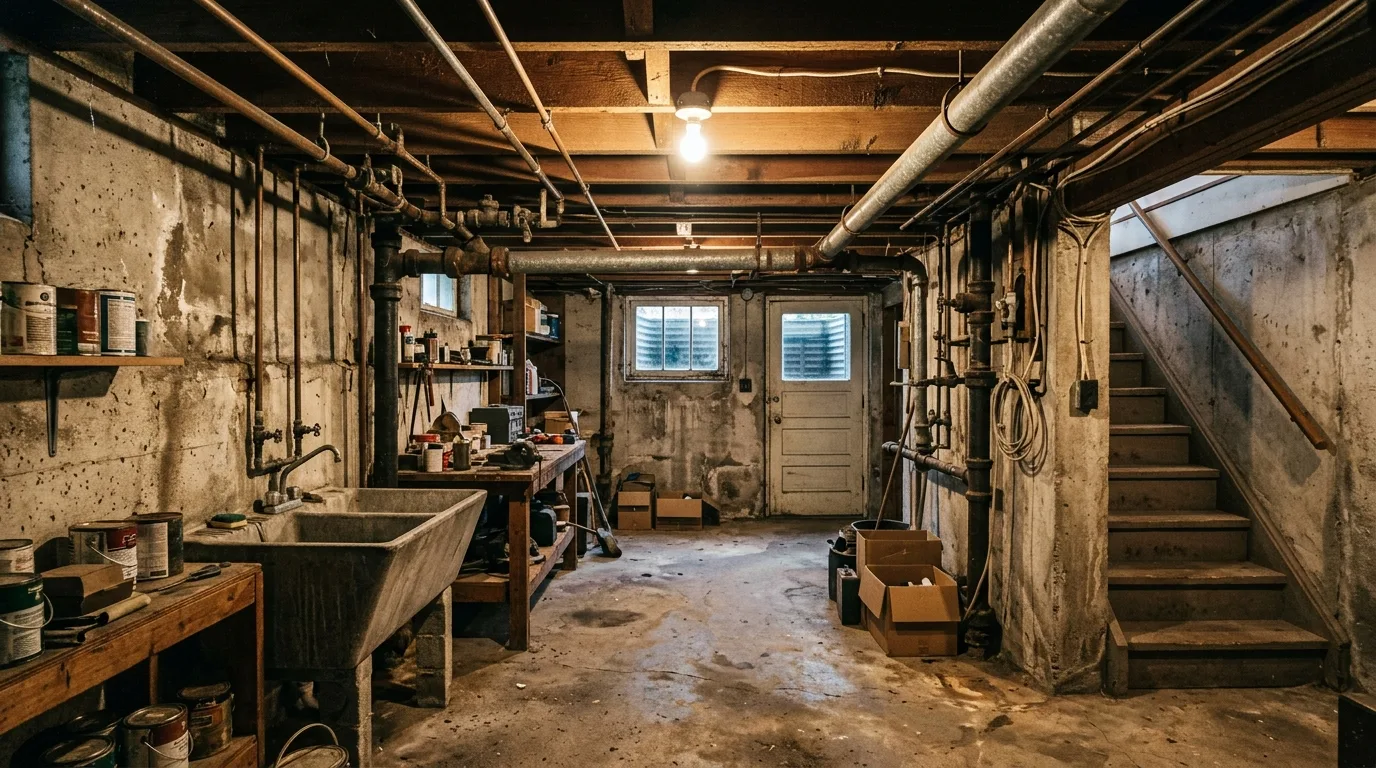
Murray homeowners who bought into the city’s established mid-century neighborhoods often get the same surprise in their first winter or first spring: water damage events that newer homes in Sandy or West Jordan rarely experience. The plumbing in many Murray homes was installed decades before modern freeze-protection standards, the drainage systems were designed for precipitation patterns that no longer account for urban runoff, and the foundation waterproofing — if there was any at all — has long since deteriorated. This post covers the water damage risks specific to Murray’s older housing stock and what owners should know before the next wet season.
Older Home in Murray with Water Damage?
Murray Water Damage Restoration handles restoration for mid-century and older Murray properties throughout Salt Lake County. Call (877) 698-1311.
Why Older Murray Homes Face Higher Water Damage Risk
Murray grew significantly between the 1940s and 1970s, producing a substantial inventory of homes that are now 50 to 80 years old. These homes reflect the construction standards of their era, which differ from modern practice in several important ways that directly affect water damage risk.
The homeowners who discover the most significant damage are often those who purchased older Murray properties near the Murray Park and City Center neighborhoods without fully understanding what deferred maintenance looks like in a mid-century Utah home. By the time water is visible inside the house, it has typically been working its way through deteriorated materials for longer than a fresh inspection would suggest.
Types of Water Damage Risks in Older Murray Homes
Galvanized steel plumbing: Many Murray homes built before 1970 were plumbed with galvanized steel supply lines. Over decades, galvanized steel accumulates rust scale on the interior wall, eventually narrowing the pipe diameter and creating rough surfaces that trap debris and accelerate corrosion. When a galvanized line fails — often at a fitting or at the point of greatest interior rust accumulation — it can fail suddenly and release water with no warning. Repiping these homes with modern PEX or copper is a significant investment, but the alternative is unpredictable failure events that accumulate damage costs over time.
Cast iron drain lines: Below-grade cast iron drain lines in Murray’s older homes are prone to cracking and root infiltration after decades of use. When a cast iron drain fails, it typically causes sewage backup rather than a supply line release — a Category 3 event requiring biohazard protocols and full material removal. Homes in Murray’s older platted neighborhoods near Wheeler Historic Farm and the I-15 corridor have cast iron drains that are approaching or past their functional lifespan.
Original foundation waterproofing: Homes built in the 1950s and 1960s in Murray were often built with a tar-based waterproofing membrane on exterior foundation walls. This material deteriorates over time, losing adhesion and flexibility. By the time a home is 50 years old, the original waterproofing membrane may provide minimal actual protection against the hydrostatic pressure that Murray’s clay soils generate during spring wet seasons.
Minimal attic insulation: Pre-1970 Murray homes were built with far less attic insulation than modern code requires. Insufficient insulation allows heat to escape through the roof deck in winter, melting snow from below and creating the temperature differential that generates ice dams. Ice dams force water under shingles and into ceiling assemblies — a water damage pathway that modern homes with proper insulation rarely experience.
Single-pane windows in below-grade frames: Older Murray homes sometimes have below-grade windows with deteriorated wooden frames that allow water infiltration around the frame perimeter. These may not be obvious during a dry-season inspection but become active water pathways during spring wet events.
Practical Inspection Points for Older Murray Properties
-
Inspect supply line materials: Turn on a faucet and look at accessible supply line connections in the basement or under sinks. If you see gray or silver pipes with threaded fittings rather than copper or plastic, you may have galvanized steel — have a plumber assess the condition and prioritize sections near exterior walls or in crawl spaces.
-
Examine below-grade window frames: In late winter, inspect all below-grade window frames for swelling, soft wood, or paint bubbling that indicates previous moisture penetration. Reframe or replace any windows showing active deterioration before spring.
-
Assess foundation wall condition: Look for efflorescence (white mineral deposits), horizontal cracking, and any areas where paint or waterproofing coating is blistering. These are indicators that water has already been penetrating the foundation wall under pressure — conditions that will worsen with each spring wet season.
-
Check attic insulation depth: Minimum recommended attic insulation for Murray’s climate is R-49 (approximately 14 inches of blown cellulose or fiberglass). Homes with less than 8 inches of attic insulation are at elevated ice dam risk during winters with significant snowfall.
-
Verify current sump pump condition: Murray homes built before 1980 that have sump systems were often installed with smaller pumps designed for lower runoff volumes. If the pump is original or over 10 years old, have it tested and consider replacement before the spring season.
Water Damage Restoration for Murray's Older Homes
Our team understands the specific risks of Murray's mid-century housing stock. Call (877) 698-1311 for a free assessment — we serve all of Salt Lake County.
How Older Construction Complicates Water Damage Restoration
When water damage occurs in an older Murray home, restoration is often more complex than in newer construction. Older homes may contain materials that are no longer manufactured — original tile patterns, plaster walls rather than drywall, hardwood flooring that cannot be quickly replaced — that require more careful handling and sourcing during reconstruction.
Lead paint and asbestos are additional considerations. Murray homes built before 1978 may contain lead-based paint on walls, trim, and cabinets. Homes built before 1980 may have asbestos-containing materials in floor tiles, insulation, or duct wrap. When water damage requires demolition of these materials, regulated abatement procedures may be required before standard restoration work can proceed. This adds cost and project time but is required by federal and state regulations.
Older construction also means older structural members that may have been weakened by previous moisture exposure. A framing member that has held moisture for 30 years before a new flooding event may be partially compromised and require replacement even when a similar member in newer construction could be dried in place. Our team performs a thorough assessment of structural condition before recommending a restoration scope for older Murray properties.
Cost Factors
Water damage restoration in older Murray homes often costs more than comparable events in newer construction, primarily due to the additional considerations described above. Material complexity, lead and asbestos management where applicable, and structural assessment add scope. Budget an additional 20 to 40% over standard restoration estimates for older properties, particularly those built before 1960.
Across Salt Lake County, the standard residential water damage restoration range of $1,383 to $6,378 applies to contemporary construction. For older properties in Murray’s established neighborhoods, total restoration costs including any abatement requirements may run higher. Most Utah homeowners insurance policies cover water damage from sudden and accidental events regardless of the home’s age — the coverage does not change based on when the home was built.
Frequently Asked Questions
How do I know if my older Murray home has galvanized pipe that needs replacement?
Galvanized steel pipe is gray or silver in color and uses threaded fittings. It is significantly heavier than copper or plastic and may show rust-colored discoloration around fitting connections. A plumber can identify galvanized supply lines during an inspection and assess remaining useful life using video inspection of interior pipe condition. If you’re experiencing low water pressure in an older Murray home, galvanized scale buildup is a common cause.
Does water damage restoration cost more for an older home?
Generally yes — by 20 to 40% compared to newer construction of similar square footage. Additional factors include lead and asbestos management, longer drying times for older materials that have accumulated previous moisture exposure, and more complex reconstruction when original materials are no longer available. For Murray homeowners with older properties, having a thorough initial scope assessment before work begins prevents cost surprises mid-project.
Are there any specific Murray permit requirements for older home restoration?
Murray City’s Building Division requires permits for construction, alteration, or repair of any building structure — this applies to older homes and new construction equally. Older homes may trigger additional requirements: if restoration work involves opening walls, the inspector may require upgrades to electrical or plumbing systems exposed during repair to bring them up to current code. We advise Murray homeowners on all permit requirements before reconstruction begins. Contact Murray City’s Building Division at permits@murray.utah.gov with specific questions.
Older Murray Home With Water Damage — We Know These Structures
Murray Water Damage Restoration handles restoration for Murray's established neighborhoods throughout Salt Lake County. Call (877) 698-1311.
Related: